
The Evolution of Haircare Trends in 2026
As we step into 2026, the world of haircare is more vibrant and diverse than ever before. With innovations in technology, shifts in consumer preferences, and an emphasis on sustainability, the landscape is rapidly evolving. This year, we are seeing a unique intersection of traditional practices and cutting-edge techniques that cater to a wide array of hair types and styles. In this article, we will explore the latest styles and techniques, delve into the use of natural ingredients, and analyze the profound impact of social media on the trends shaping the haircare industry. When exploring options, https://carbonegroupparrucchieri.it/ provides comprehensive insights into these changes.
Understanding the Latest Styles and Techniques
In 2026, hair styling is characterized by a blend of nostalgia and modernity. Hairstyles like curtain bangs and textured layers are making a strong comeback, providing a relaxed yet stylish look. Additionally, there is a growing preference for hairstyles that require less maintenance, reflecting the fast-paced lifestyle that many lead today. Techniques such as air-drying, twist-outs, and braiding are favored, promoting hair health while ensuring stylish outcomes.
The trend of “hair health” is also influencing salon practices, with many stylists increasingly focusing on treatments that nourish the hair rather than just changing its appearance. For instance, moisture treatments, restorative masks, and customizing products based on individual hair needs are gaining traction.
Natural Ingredients: The Future of Hair Products
As consumers become more health-conscious and eco-aware, the demand for hair products infused with natural ingredients continues to rise. In 2026, we are observing a shift toward formulations that include botanical extracts, essential oils, and organic compounds. These ingredients not only provide nourishment but also minimize the risk of harmful side effects often associated with synthetic components.
Brands are also innovating with clean beauty labels, emphasizing transparency in sourcing and production. Ingredients like argan oil, shea butter, and aloe vera are popular for their moisturizing and healing properties. The future of haircare certainly lies in this blend of efficacy and sustainability, making it a crucial factor for industry players looking to thrive.
Impact of Social Media on Hair Trends
Social media continues to play a pivotal role in shaping hair trends in 2026. Platforms like Instagram, TikTok, and Pinterest have become essential for discovering new styles, techniques, and products. Influencers and beauty bloggers now dictate trends, from vibrant hair colors to innovative styling methods, reaching millions of followers in seconds.
Furthermore, user-generated content showcases real experiences with products and services, creating authentic connections between consumers and brands. This democratization of beauty means that trends can emerge from anywhere, challenging traditional notions of style and beauty standards.
Importance of Professional Hair Services
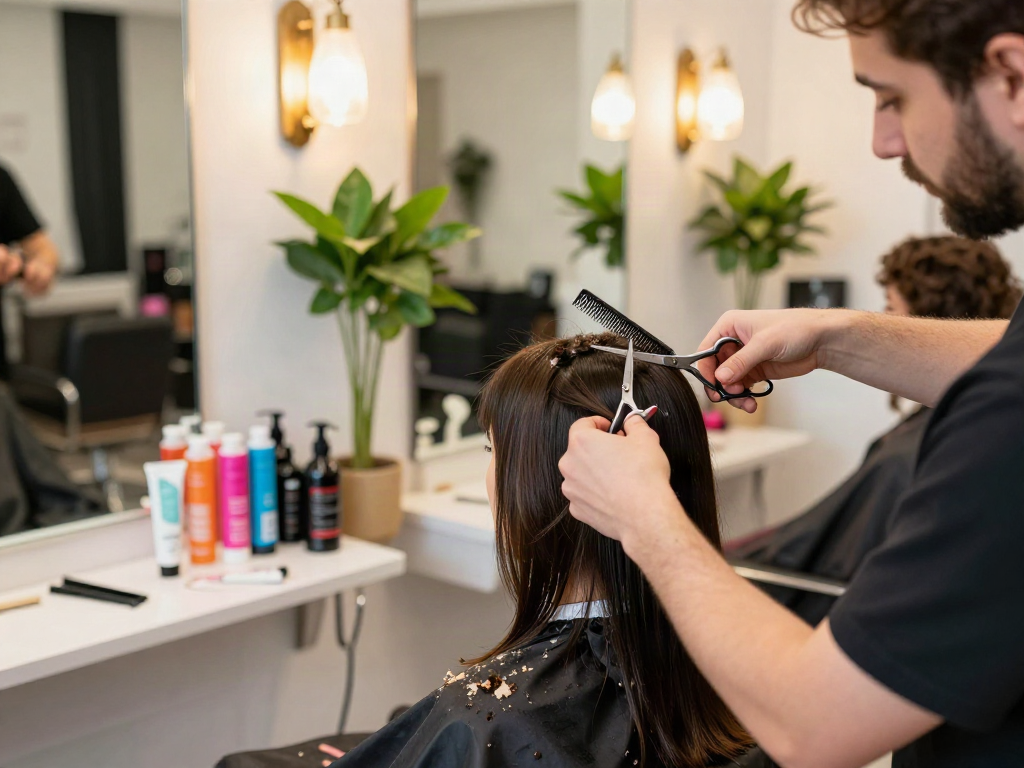
While DIY haircare is popular, the value of professional hair services cannot be understated. Skilled stylists bring years of experience, expertise, and a creative eye that can transform a client's vision into reality. The precise techniques and high-quality products available in salons often yield results that are difficult to replicate at home, particularly for complex styles and treatments.
Benefits of Choosing a Skilled Stylist
One of the biggest benefits of choosing a skilled stylist is personalized consultation. They can assess your hair type and condition, recommend suitable styles and products, and provide tailored maintenance tips. Moreover, they stay updated with the latest trends and techniques, ensuring you receive contemporary and relevant advice.
Common Misconceptions About Haircare Services
Despite the evident advantages, several misconceptions about professional hair services persist. Many believe that salon services are only for special occasions, while in reality, regular visits can significantly enhance the health and appearance of your hair. Others think that hair products used in salons are simply overpriced, unaware that quality ingredients contribute to long-term hair health.
Case Studies: Transformative Hair Makeovers
To illustrate the benefits of professional hair services, let's consider a few case studies. One client, struggling with dry, damaged hair, sought the expertise of a stylist who recommended a series of hydrating treatments followed by a color enhancement that revitalized the hair without compromising its health. Another case involved a client with fine hair who desired volume; the stylist used layering techniques and specific products to create a fuller look that maintained the hair's integrity.
DIY Haircare: Best Practices and Methods
While professional services are invaluable, many people still prefer to manage their haircare at home. Understanding the best practices can empower individuals to maintain their hair between salon visits. Effective DIY haircare involves not only the right techniques but also the proper tools and knowledge about products.
Essential Tools for Home Hair Styling
Having the right tools at home is foundational for effective DIY hair styling. Essential items include a high-quality hairbrush, heat protectant spray, scissors for split-end trimming, a hairdryer with various heat settings, and styling tools like curling wands or straighteners. Investing in well-reviewed tools can make a significant difference in the results.
Step-by-Step Guides for Common Techniques
DIY hair techniques can be easily mastered with step-by-step guidance. For example, mastering the art of a perfect blow-out requires a few key steps: start with clean, damp hair, apply a heat protectant, section your hair, and use a round brush while directing the dryer’s airflow. With practice, these techniques can lead to salon-quality results at home.
Safety Tips to Avoid Hair Damage
While styling at home, it's crucial to prioritize hair health. Avoid excessive heat by using lower settings on styling tools and always apply thermal protectants. Additionally, don't skip regular trims to maintain the health of your ends and consider using deep conditioning treatments to restore moisture, particularly after heat styling.
Future Trends in Haircare Technology
The future of haircare technology is promising, with innovations continuously emerging to enhance our styling capabilities. In 2026, we are witnessing technological advancements that cater to the consumer's desire for personalization and efficiency.
Innovative Tools and Gadgets for Home Use
From smart hairbrushes that analyze the health of your hair to app-connected styling tools that guide users through techniques, innovation is redefining home hair care. These tools often provide feedback and personalized recommendations, making it easier for users to achieve their desired looks.
Smart Hair Products: What to Expect
Smart hair products are also on the rise, with products that adapt to environmental conditions and hair needs. Imagine a shampoo that changes its formula based on humidity levels or conditioners that release nourishing ingredients over time. These innovations promise to optimize everyday haircare routines.
Potential Challenges and Solutions in Haircare Tech
Despite the exciting advancements, challenges remain. Accessibility to high-tech products can be a barrier for many consumers, and ensuring that innovations are environmentally friendly is crucial. As brands navigate these hurdles, the focus will likely shift towards creating affordable, sustainable solutions without compromising quality.
FAQs about Haircare Services
Understanding haircare can often raise questions. Here are some frequently asked questions to provide clarity for those looking to enhance their haircare routine:
What should I expect during my first salon visit?
During your first visit, expect a consultation where the stylist assesses your hair type and discusses your desired outcomes. This is also the time to ask questions about maintenance and products.
How often should I get my hair professionally cut?
Typically, a trim every six to eight weeks is recommended to maintain healthy hair, while more dramatic styles may need more frequent visits.
What ingredients should I look for in hair products?
Look for products that contain natural ingredients like coconut oil, aloe vera, and proteins tailored to your hair type to ensure nourishment and care.
How can I maintain my hairstyle at home?
Use appropriate products recommended by your stylist, and follow a regular maintenance routine that includes washing, conditioning, and heat protection.
What are the latest color trends for 2026?
In 2026, trends are leaning towards natural-looking shades, pastel colors, and balayage techniques that reflect a soft, effortless style.